
The RideCue Blog
Field notes from people trying to actually pull off group rides. Coordination, culture, training, and the tools that make it work.
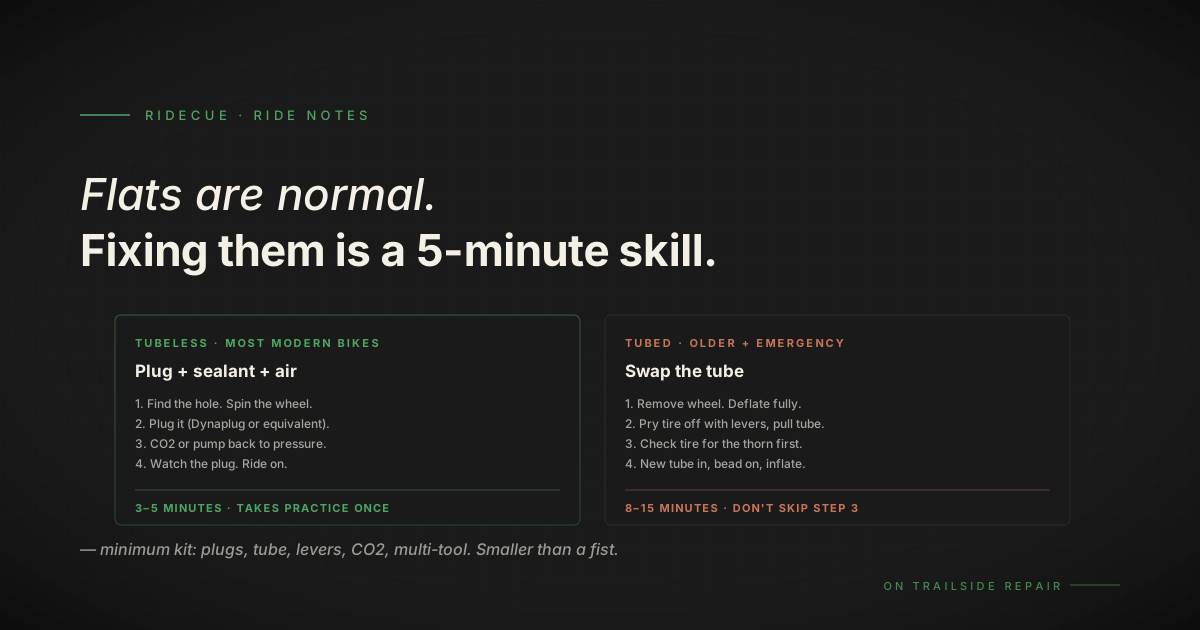
How to Fix a Flat on the Trail Without Crying (A Practical MTB Guide)
Step-by-step trailside flat repair for both tubeless and tubed setups. The minimum repair kit, the plug-it-then-air-it tubeless process, the tube swap for older bikes, and how to avoid pinch flats in the first place.
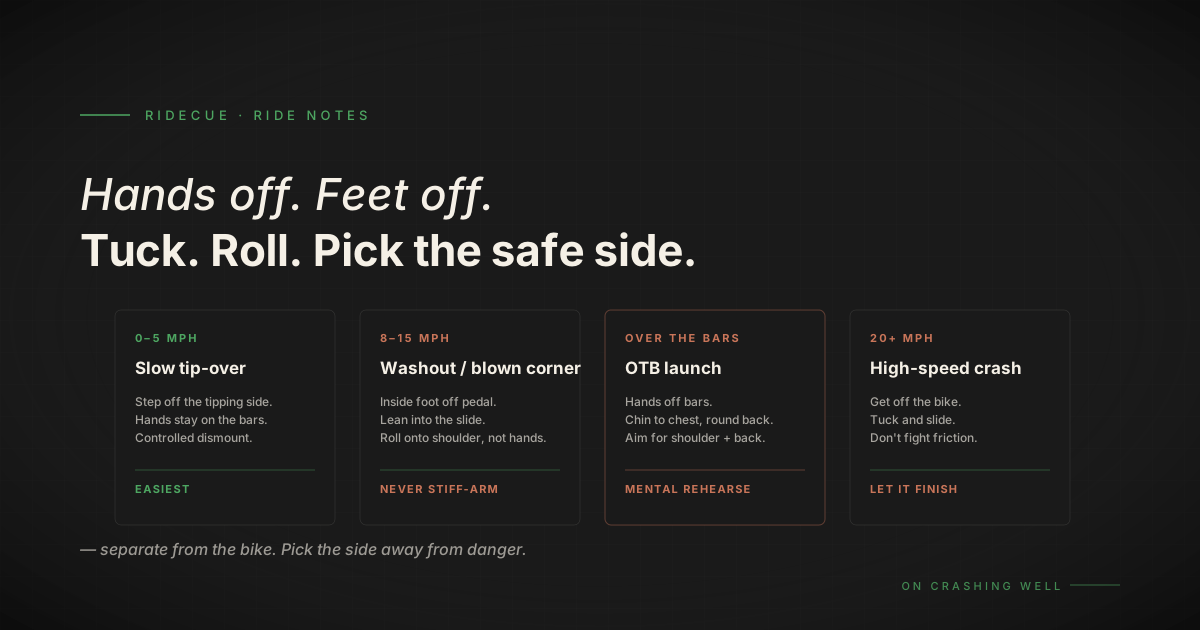
How to Bail Off a Mountain Bike (Without Hurting Yourself More Than You Already Were Going To)
Bailing is a skill most riders never deliberately practice. The principle (separate from the bike, pick the safe side), the four scenarios (slow tip-over, mid-speed washout, OTB, high-speed slide), and the grass drills that build the muscle memory.
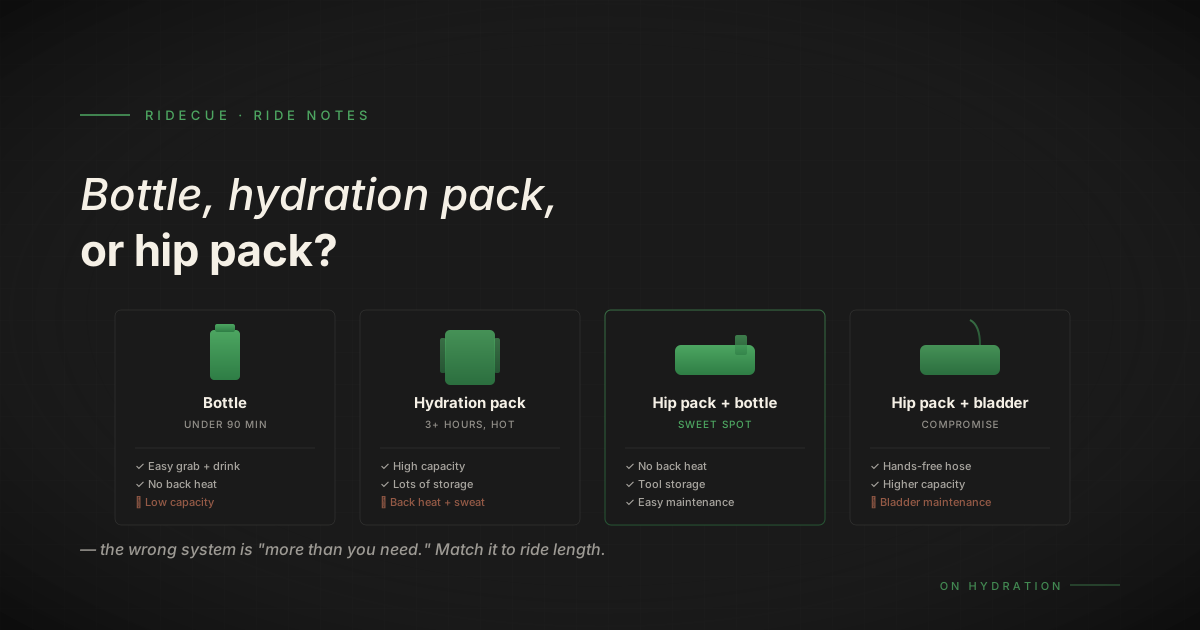
Bottle, Hydration Pack, or Hip Pack? How to Carry Water on a Mountain Bike (And Why Most Riders Get It Wrong)
The honest comparison of bottle, hydration pack, hip pack, and bladder hip pack — pros, cons, and when each one actually makes sense. Plus how much water you should actually carry.
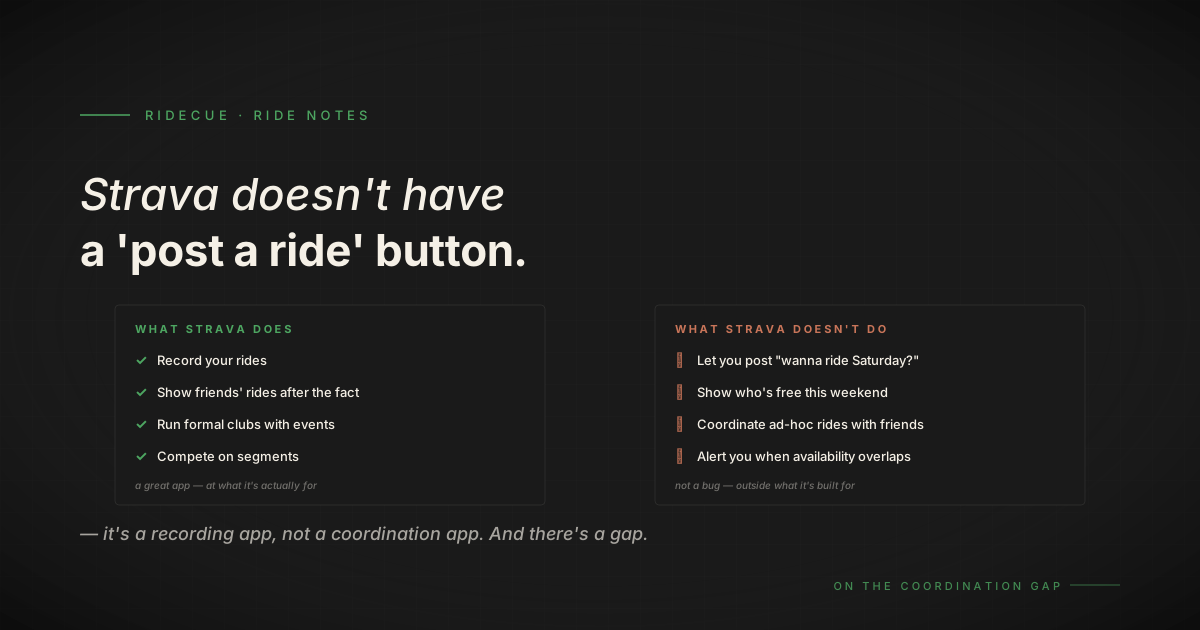
How to Post a Ride on Strava (Why You Mostly Can't, and What to Use Instead)
Wanted to post a ride to your friends on Strava and discovered the button doesn't exist? You're not missing it. Here's why Strava is built that way — and what you can actually use to coordinate casual rides with your buddies.
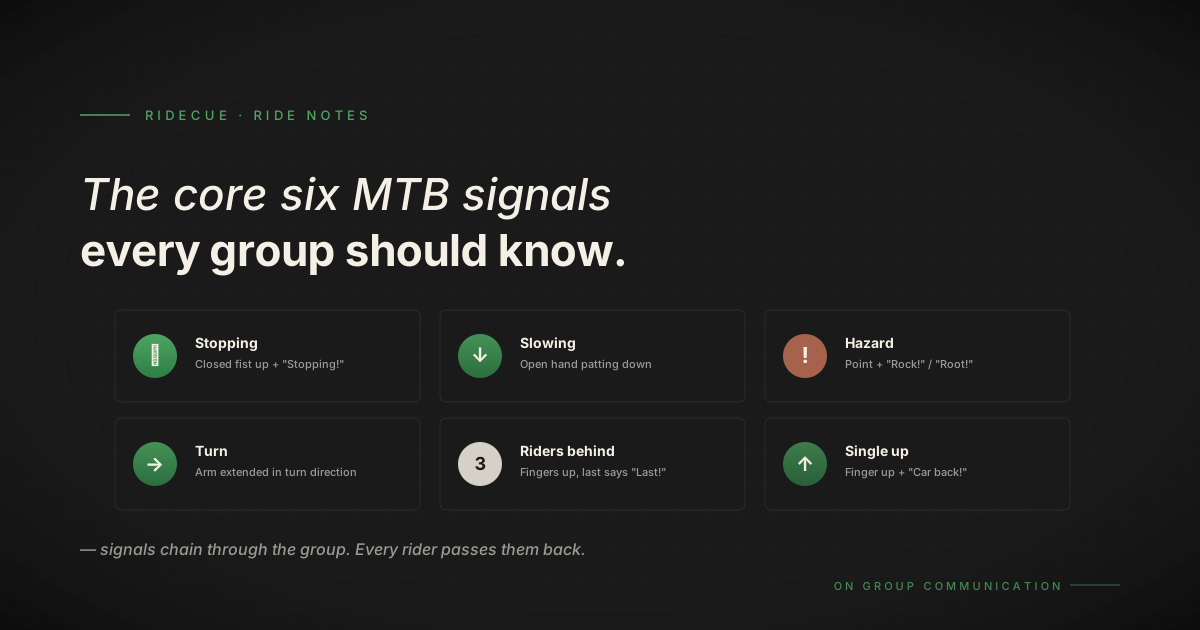
MTB Hand Signals Every Mountain Biker Should Actually Know (Plus the Verbal Calls That Go With Them)
The core six MTB hand signals — stopping, slowing, hazards, turns, last-rider, single-up — plus the verbal calls that pair with each and the unwritten rules of how to signal in a group.
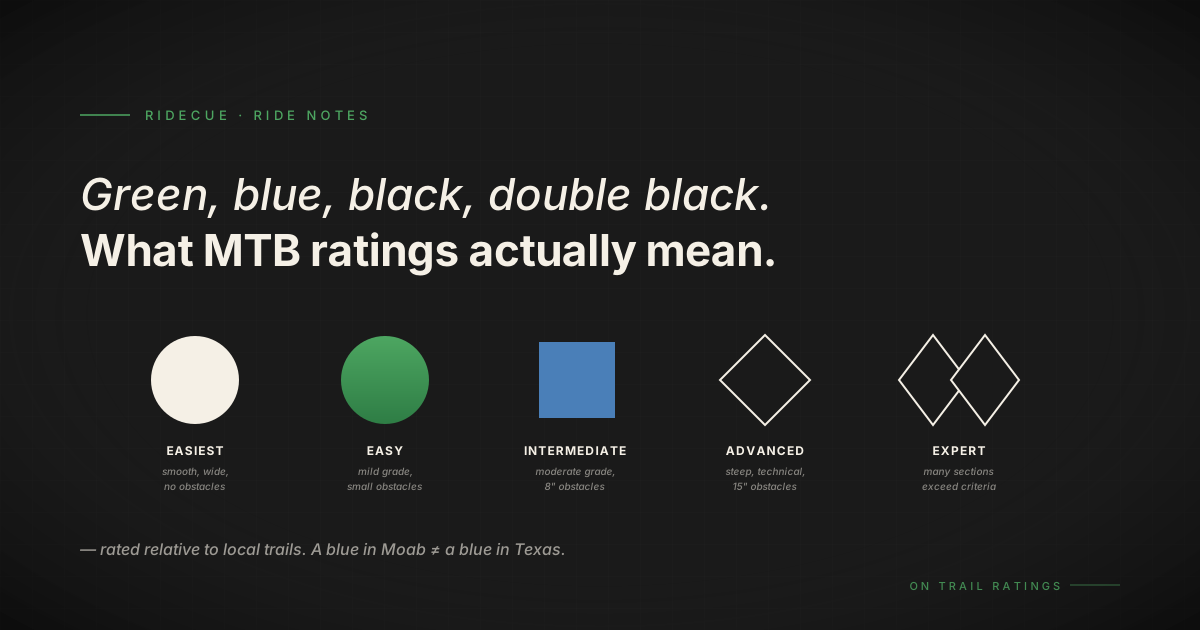
MTB Trail Difficulty Ratings Explained: What Green, Blue, Black, and Double Black Actually Mean (And Why They Vary So Much)
The IMBA trail rating system explained — what each color level actually measures, why a blue square in Moab is a black diamond in North Carolina, and how to read ratings in regions you've never ridden.
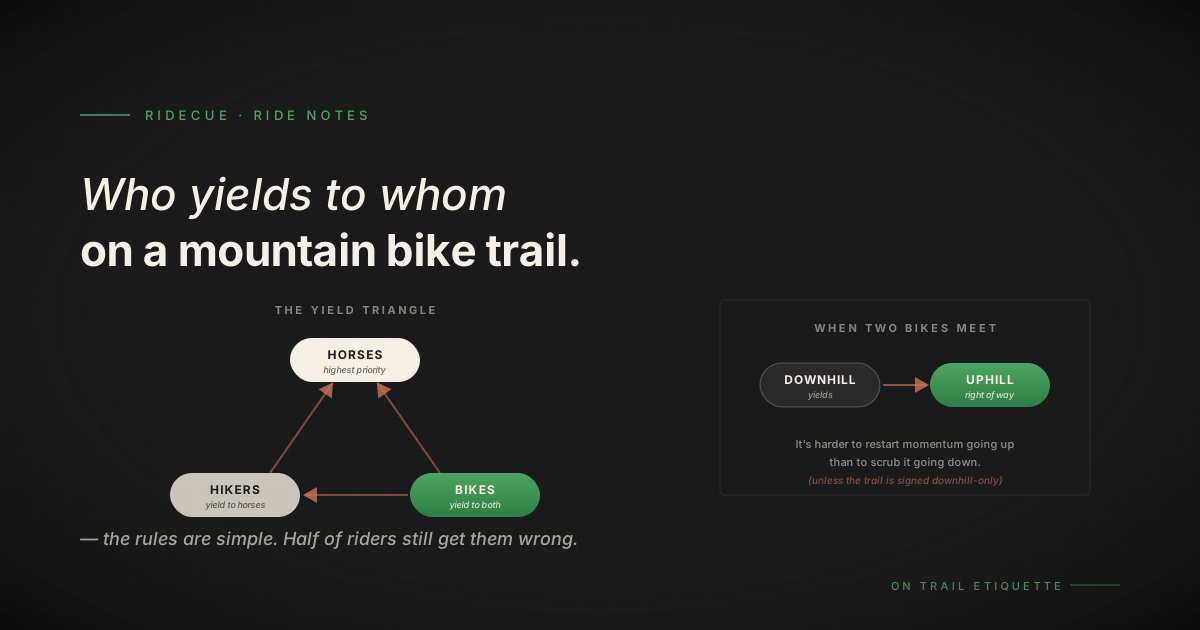
MTB Trail Etiquette: Who Yields to Whom (and Why People Get It Wrong)
The official IMBA yield rules, why each one exists, and the misconceptions even experienced mountain bikers get wrong — including the downhill-bias trap, the 'I called out' defense, and the e-bike gray zone.

How to Ride a Mountain Bike Trail You've Never Been On (Without Eating It on the First Corner)
A practical framework for riding unfamiliar MTB terrain — what to research before, how to calibrate at the trailhead, what to do on the first lap, and how to log what you learned.
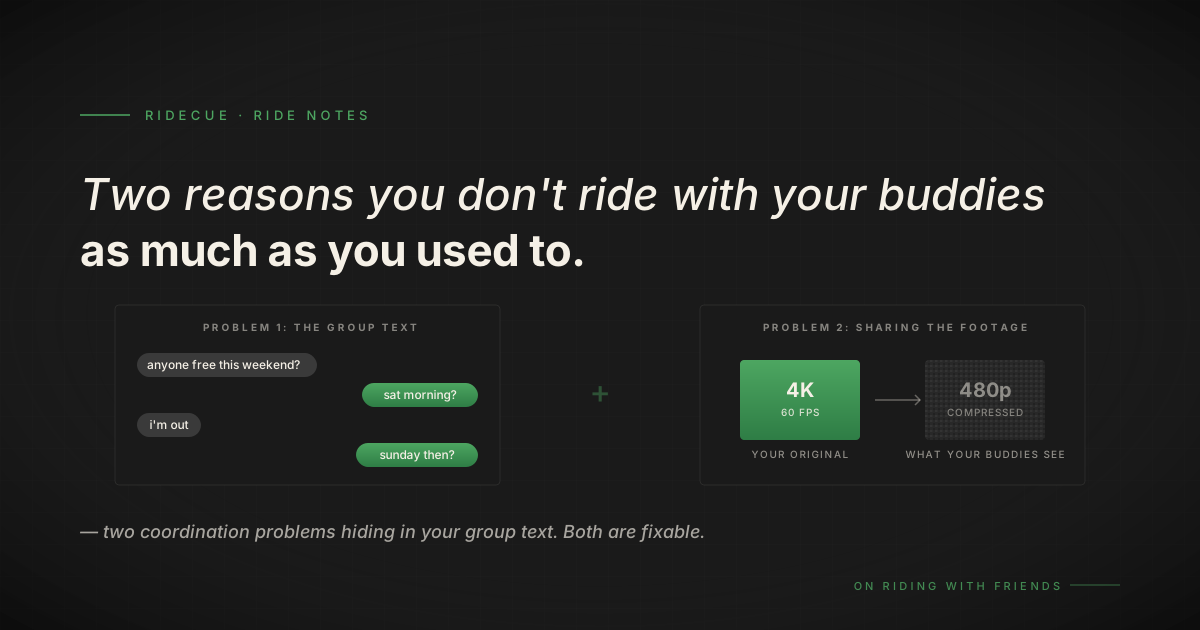
The Two Reasons You Don't Ride With Your Buddies as Much as You Used To
Your group is still into it. The enthusiasm isn't gone. Two specific pieces of friction — both hiding in your group text — are quietly costing your riding crew the rides they keep saying they want to do.
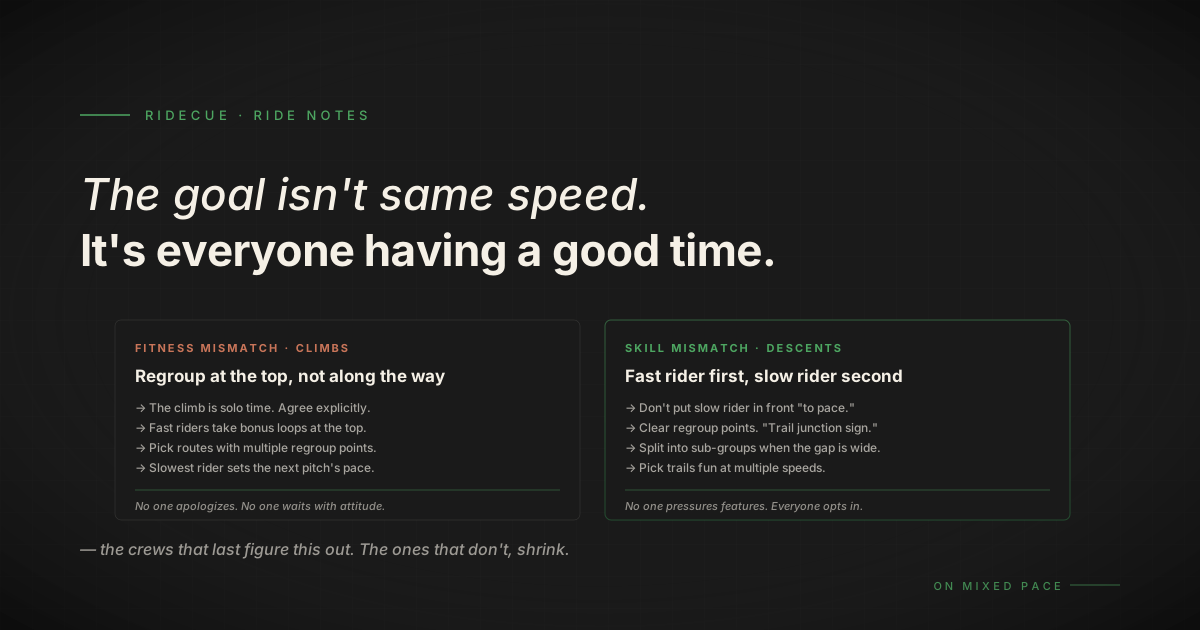
How to Ride With Friends Who Are Faster (and Slower) Than You Without Anyone Hating the Ride
Mixed-pace group rides fail in predictable ways. The fix is recognizing that fitness mismatch (climbs) and skill mismatch (descents) are different problems requiring different patterns. Plus specific advice for fast, slow, and in-between riders.
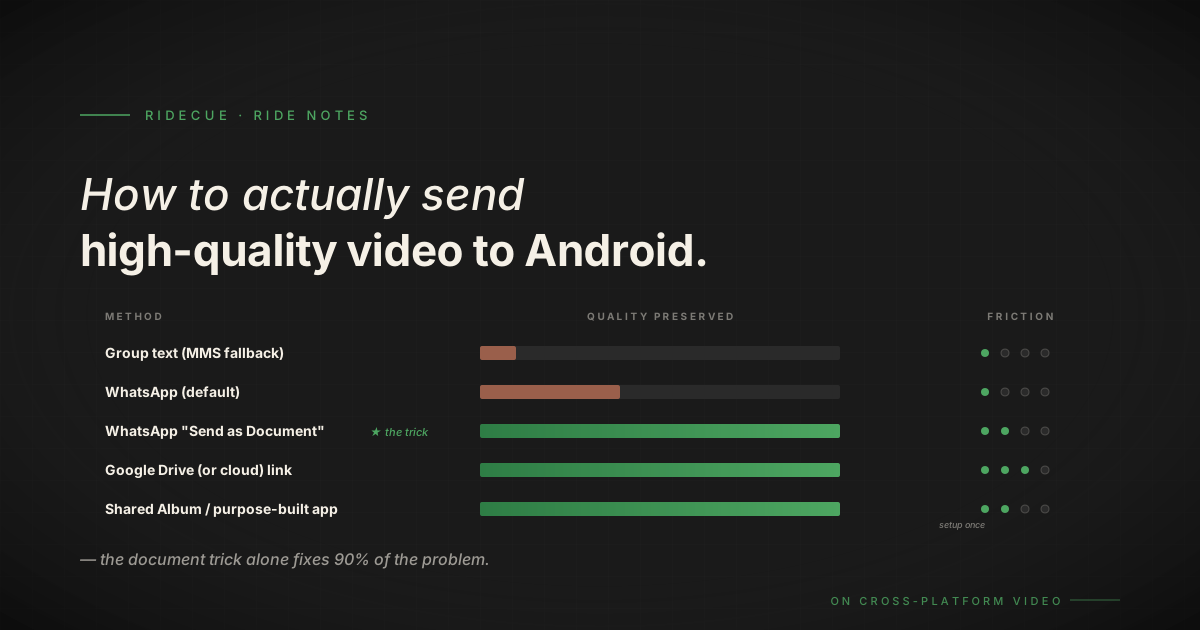
How to Send High-Quality Cycling Videos to Your Android Friends (The Actual Workarounds)
Your iPhone video looks great. Your Android friend gets a blurry mess. Here are the 8 real ways to fix it — ranked by quality preserved vs. friction added. Including the WhatsApp trick most iPhone users don't know.
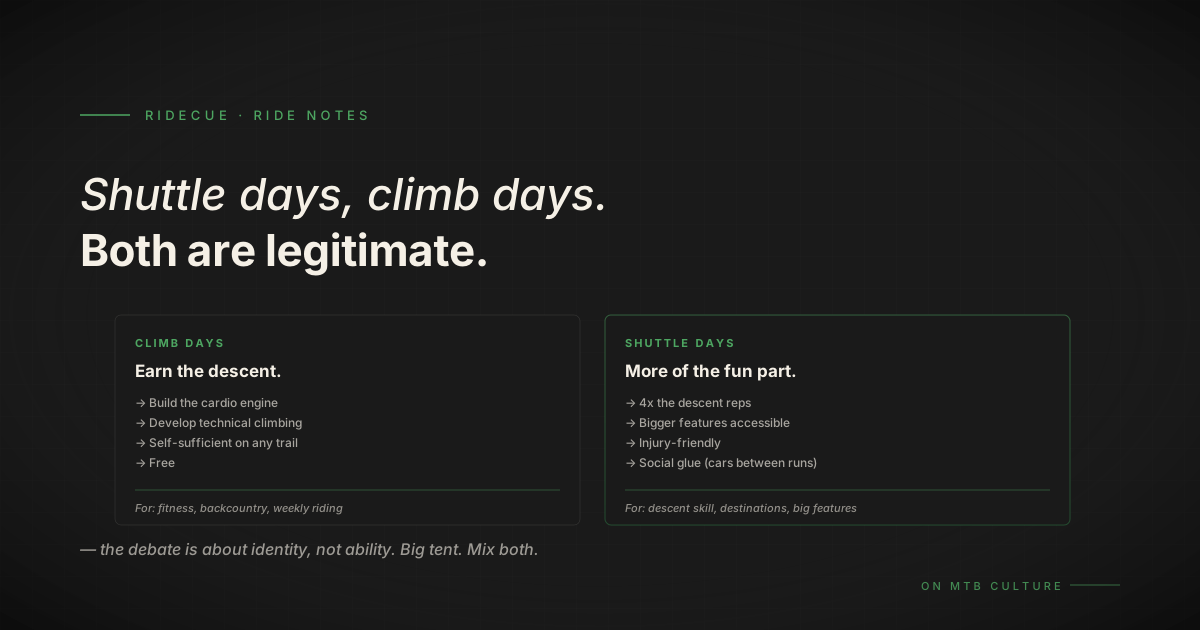
Shuttle Days vs Climbing Days: When to Drive Up, When to Earn It, and Why the Debate Won't Die
The honest case for shuttling, the honest case for climbing, and the practical framework for when each one makes sense. Plus why the debate is really about identity, not ability.

Strava Clubs vs RideCue: When Each One Actually Makes Sense
Both let groups of cyclists coordinate rides, but they're built for completely different problems. The honest comparison — and why most casual cycling groups end up using both.
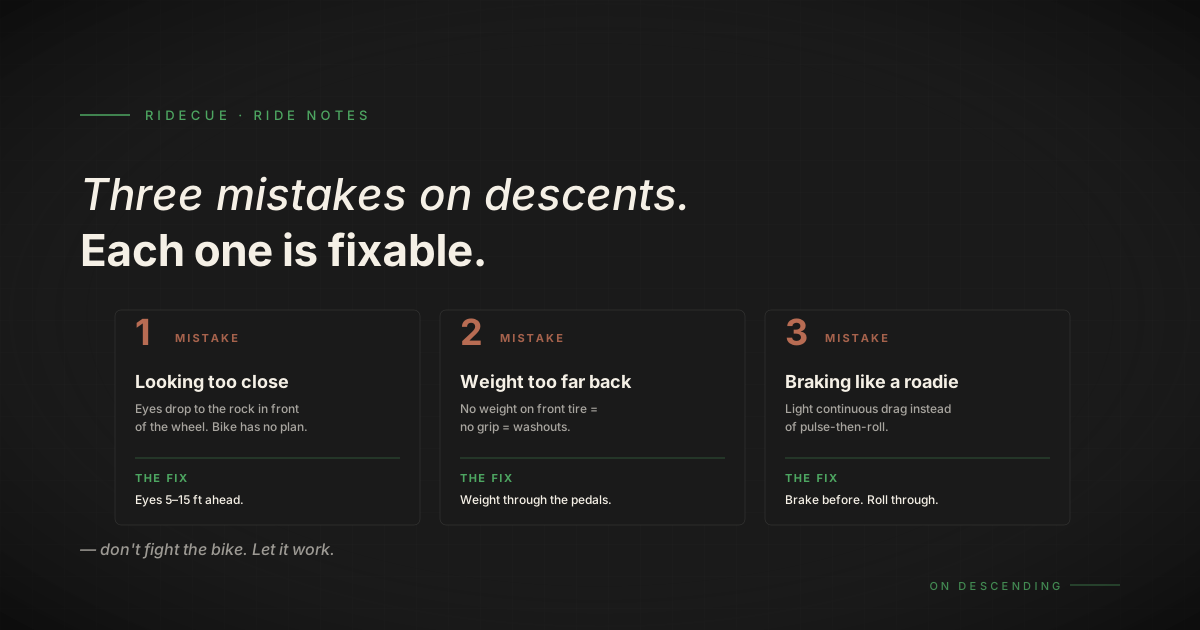
The Three Mistakes Every New Mountain Biker Makes on Descents (And How to Fix Each One)
Looking too close. Weight too far back. Braking like a road cyclist. The three universal beginner descent mistakes, why each one causes crashes, and the specific fix for each.
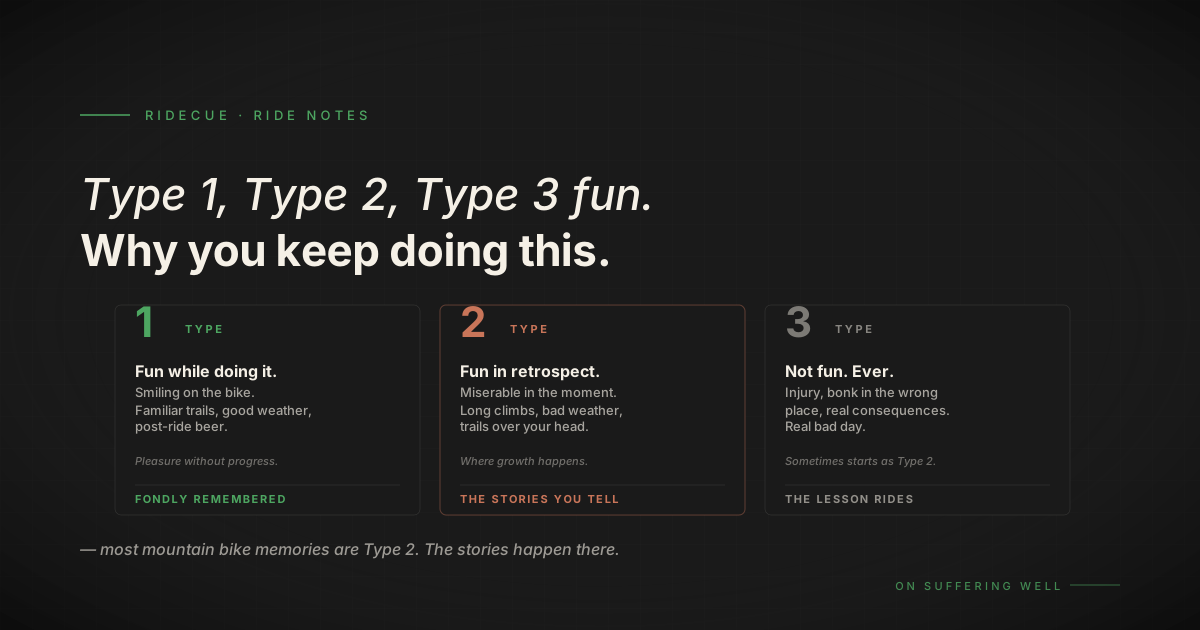
Type 1, Type 2, Type 3 Fun: The Mountain Biker's Framework for Why You Keep Doing This
The three-types-of-fun framework, borrowed from climbing, explains mountain biking better than any other concept. Type 1 is fun while you're doing it. Type 2 is fun in retrospect. Type 3 is never fun. Here's how to use the framework.
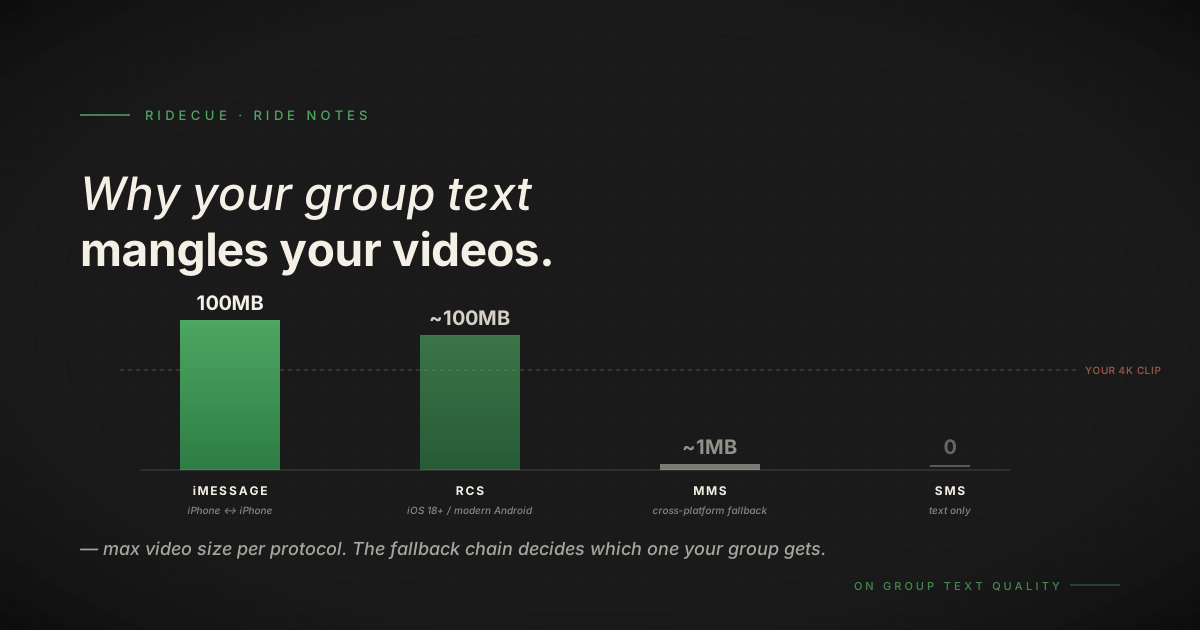
Why Group Text Videos Are Sometimes Crystal Clear and Sometimes a Pixelated Mess (A Plain-English Explainer)
Same camera, same friends — why are some group text videos sharp and others a blurry mess? Your phone uses four different delivery systems, and one of them is from 2002. Here's how it actually works.